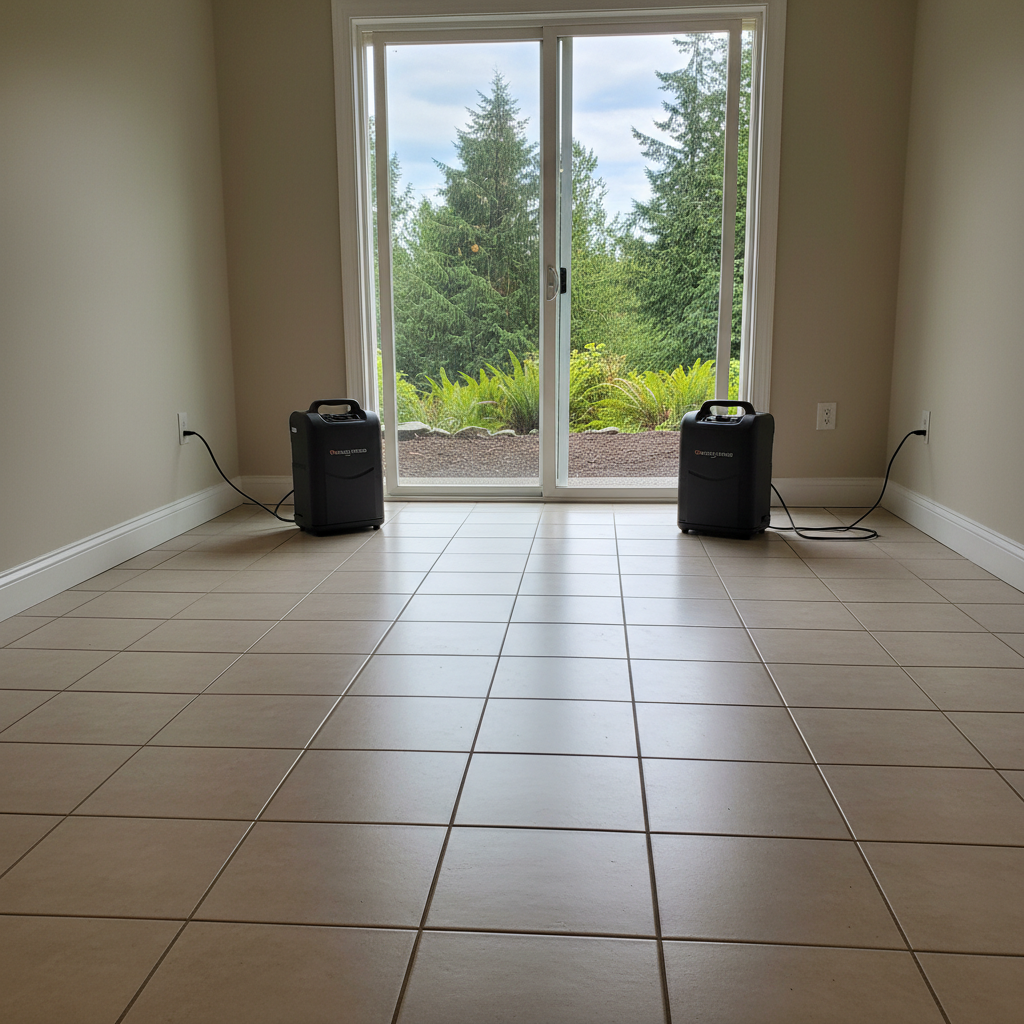
Fall rains in Lynnwood bring plenty of moisture, and damp patches often stick around houses for a long time. Living here in Lynnwood means dealing with constant moisture, and when you have recently had to fix a leak or clean up after a pipe burst, the work does not completely end when the drying equipment leaves. Protecting that Water Damage Restoration repair takes a little everyday attention, especially when our local weather keeps humidity levels high for months on end.
What Regular Water Damage Restoration Upkeep Looks Like
Keeping Water Damage Restoration problems from coming back is mostly about routine checks. You do not need fancy tools for most of it. Take a walk around your foundation every few weeks during the wetter months and make sure Water Damage Restoration drainage is moving water away from the house rather than pooling near the siding. Clean out your gutters regularly so pine needles and roof debris do not send water cascading over the edge straight down into your crawlspace. Inside, peek under your sinks and check behind the washing machine every month to catch slow drips before they ruin your subfloor.
Extending the Life of Your Water Damage Restoration Work
When you have had professionals out to dry out a room or rebuild a wall, you want that Water Damage Restoration fix to last. The secret here is managing indoor humidity. Our local climate naturally pumps moisture into the air, so running bathroom fans during and after showers is not optional—it is important. If you live in a split-level or ranch home near Alderwood with a damp lower level, a good dehumidifier can save your drywall and framing from soaking up ambient moisture. Keep air circulating around exterior walls, and do not push furniture flush against baseboards where stagnant air can trap condensation.
Warning Signs You Should Not Ignore
Your house will usually tell you when something is wrong long before water starts dripping from the ceiling. Keep your nose open for musty, earthy smells that do not go away with open windows. Watch for bubbling paint, peeling wallpaper, or baseboards that look slightly warped or swollen. If your utility bill spikes out of nowhere, you might have a hidden supply line leak under the slab or behind a wall. Catching these signs early stops a minor moisture issue from turning into a massive structural headache.
When to Call Bright Coast Restoration
Some weekend DIY fixes work great for small puddles, but other times you are completely outmatched. If water has wicked up into your drywall, soaked into insulation, or pooled beneath hardwood flooring, surface drying will not cut it. That is when you need to bring in a crew like Bright Coast Restoration to pull moisture readings and run industrial air movers before mold sets in. Do not wait until things feel spongy underfoot—give Bright Coast Restoration a call the moment you suspect water has gotten where it shouldn't be.