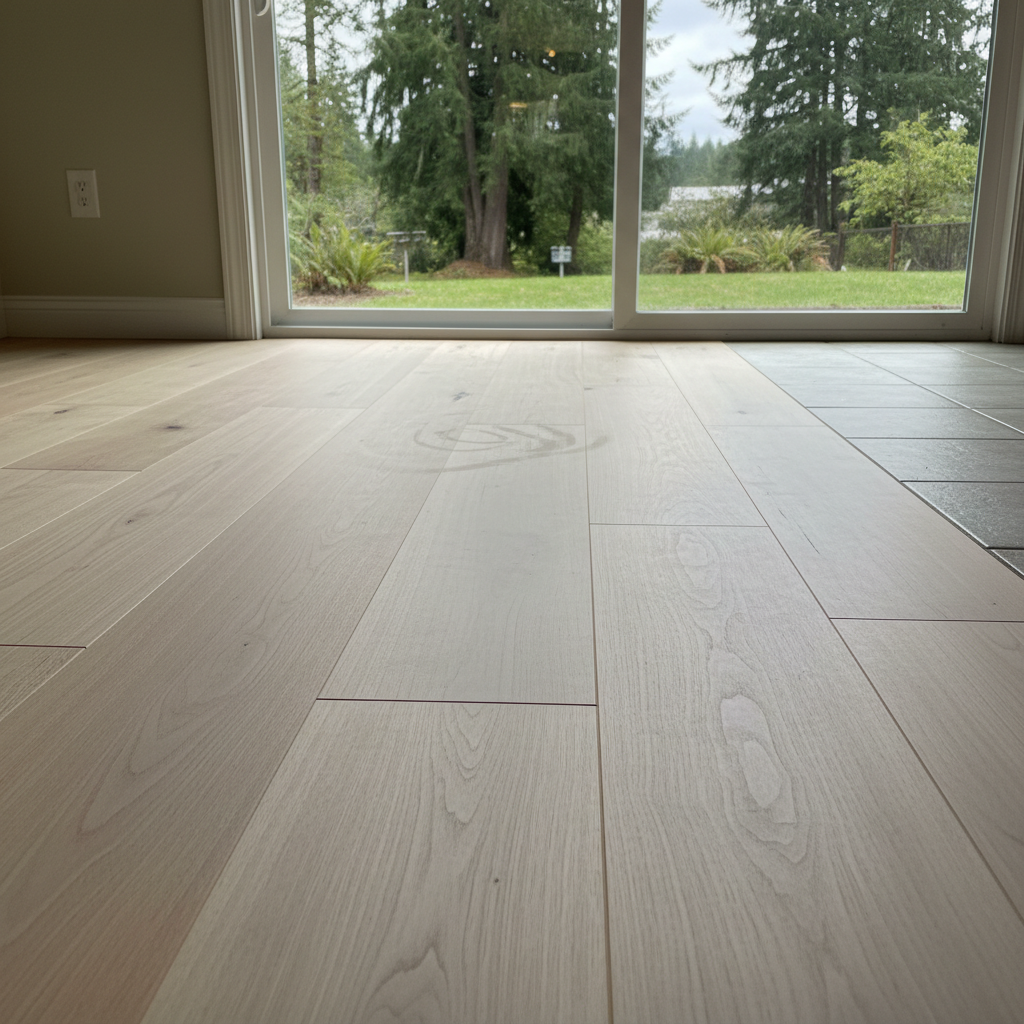
Water pooling in your living room or soaking into your hallway carpet is a difficult situation. If you live around Lynnwood, you already know how fast our persistent Pacific Northwest rain can find a weakness in a roofline or push water right through a foundation wall. When indoor flooding happens, every minute counts. But homeowners do not always need to panic, and they definitely do not always need to spend thousands of dollars for a full-scale crew right off the bat.
We will look at how to handle Water Damage Restoration practically, splitting the difference between weekend DIY fixes and the heavy-duty work we handle at Bright Coast Restoration.
Before the Water Damage Restoration Crew Arrives
Panic is a major problem when pipes burst or water heaters fail. Before you even grab a towel, make sure your safety is locked down. If water is anywhere near your electrical panel, outlets, or major appliances, kill the power at the main breaker immediately. Do not walk into standing water if there is a chance it is electrified.
Next, stop the source if you can. Shut off the main water valve if a supply line let go. If it is storm water leaking through your roof during a heavy Lynnwood windstorm, clear out any immediate furniture or valuables from the drop zone and lay down plastic sheeting or heavy towels. Take photos and videos of everything for your insurance adjuster before you start moving items around. Proper documentation keeps insurance claims straightforward later.
What You Can Do Yourself
If you catch a small leak early, such as a bucket of water spilled or a minor overflow from an upstairs bathroom, you can probably handle the Water Damage Restoration yourself without calling a pro.
- Grab a wet/dry shop vacuum and suck up all the surface pooling you can reach.
- Pull up wet area rugs and drag them outside to dry in the driveway if the weather holds, or hang them in the garage.
- Set up every household fan you own and point them directly at damp carpets and baseboards to keep the air moving.
- Run a portable dehumidifier if you have one stored away in the closet or crawlspace.
Be realistic about your limits, though. If water has wicked up into drywall more than an inch, or if it has slipped beneath baseboards and tack strips, a shop vac is not going to do the job.
When to Call a Professional
There is a hard line between a messy cleanup and a structural drying job. If more than a small room is affected, or if the water came from a contaminated source like a backed-up sewer line or a toilet overflow, put down the shop vac and call professionals right away. Grey and black water carry health hazards that household cleaners will not touch.
At Bright Coast Restoration, our team uses truck-mounted extraction units and high-pressure air movers that pull moisture out of subfloors and wall cavities before mold has a chance to take root. Our damp local climate means mold spores are always floating around waiting for a wet patch. If you let wet drywall sit for more than forty-eight hours in this weather, you are inviting mold to start growing behind your walls.
After the Extraction: Drying and Monitoring
Once the standing water is gone, the real work begins. Water Damage Restoration is only half the battle; structural drying takes days. If you hired a pro, they should be leaving industrial air movers and commercial-grade dehumidifiers running around the clock, checking moisture meters daily to track progress.
If you handled a minor spill yourself, keep those fans running for at least two to three days longer than you think you need to. Check corners, underneath furniture legs, and inside closets where air does not circulate well. Keep an eye out for buckling hardwood floors or bubbling paint on the base of walls, which are clear signs that trapped moisture is still causing problems out of sight. For homes and businesses in Lynnwood, Bright Coast Restoration provides Water Damage Restoration services.